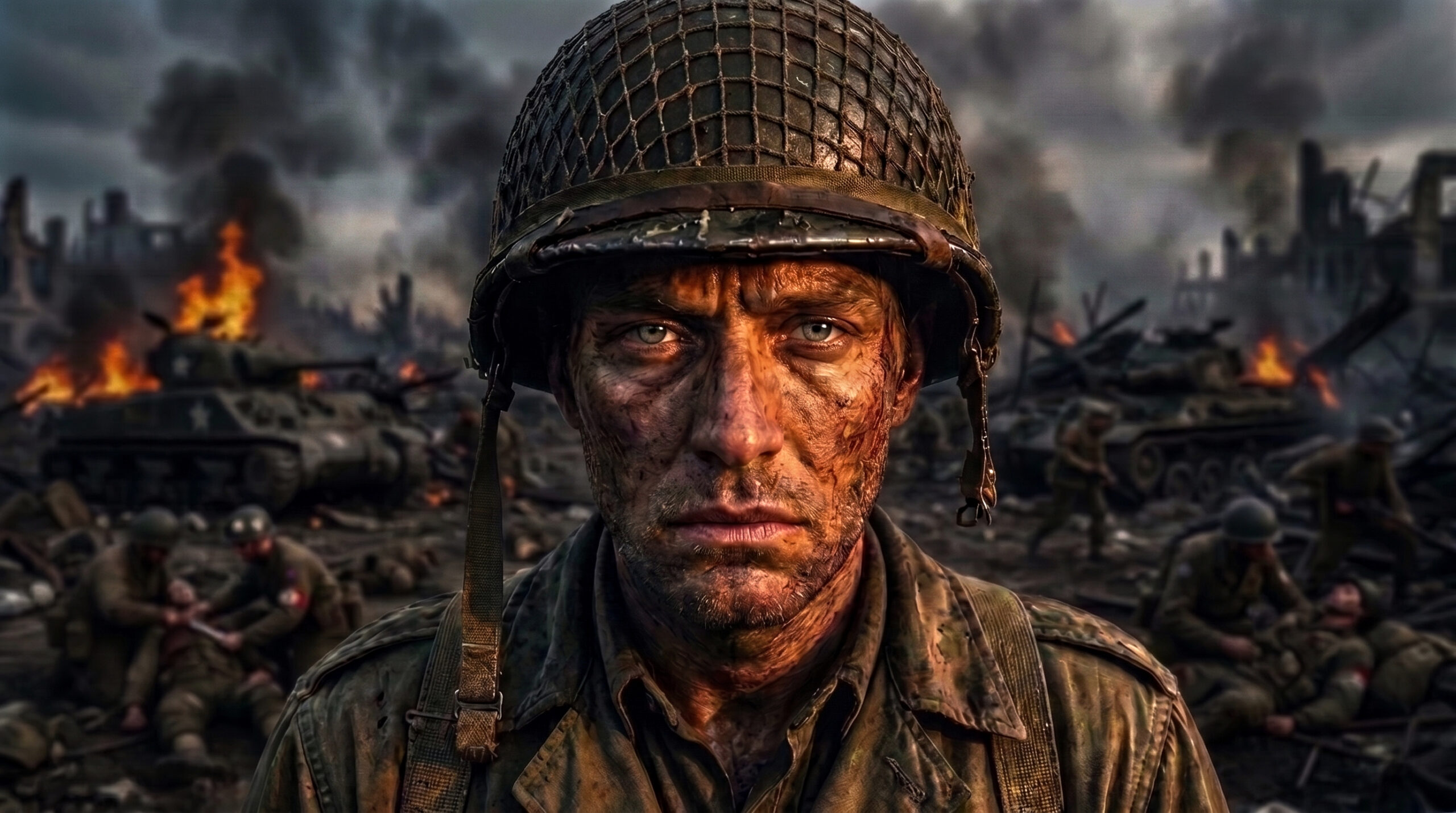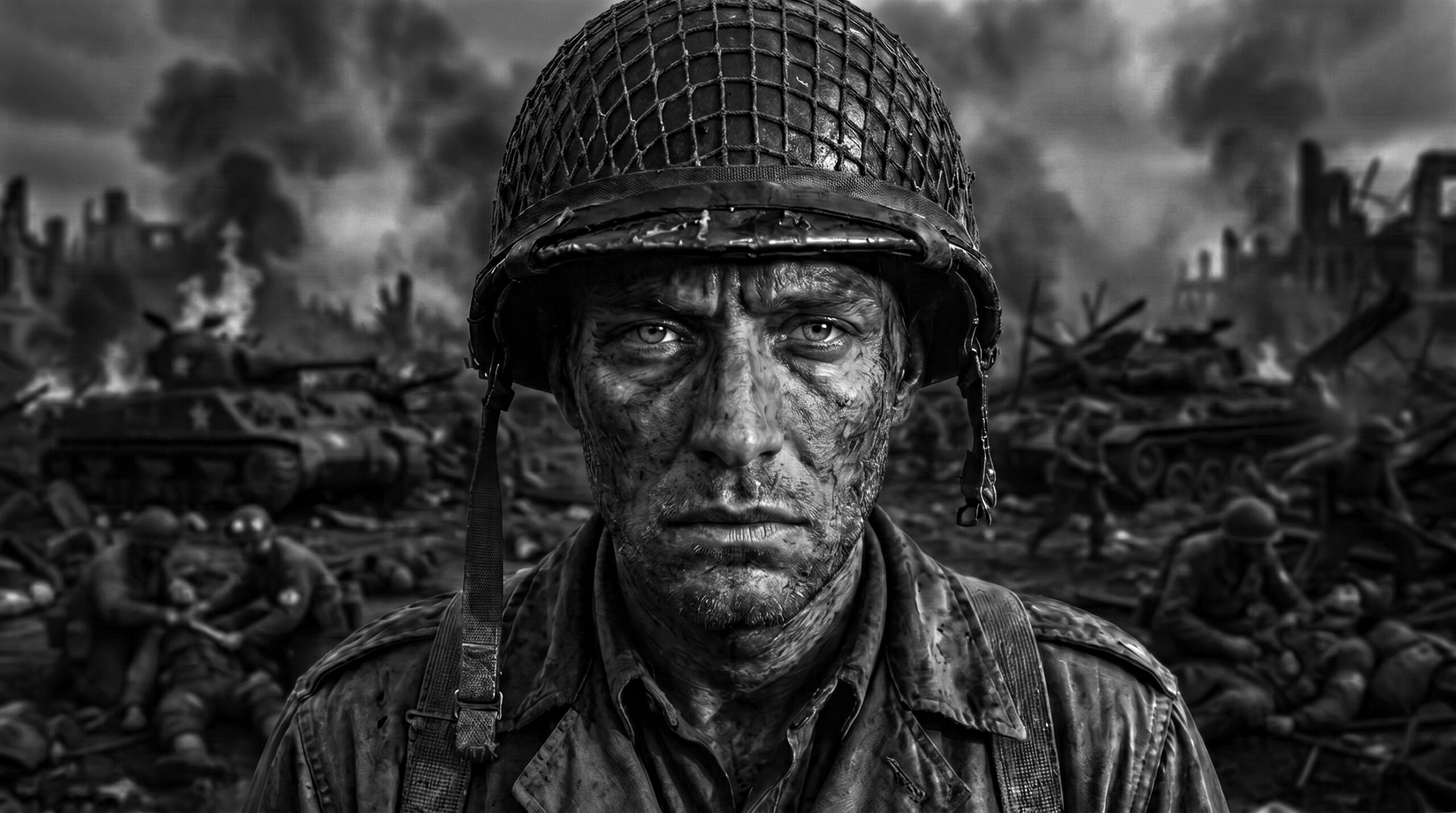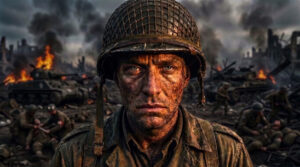
WWII soldier, color photograph WWII soldier, black and white photograph
Declassified — For Public Release

Every soldier carried
a story we buried.

WW2 Untold uncovers the sourced, verified histories the textbooks skipped — researched, written, and relived on film.
Scroll
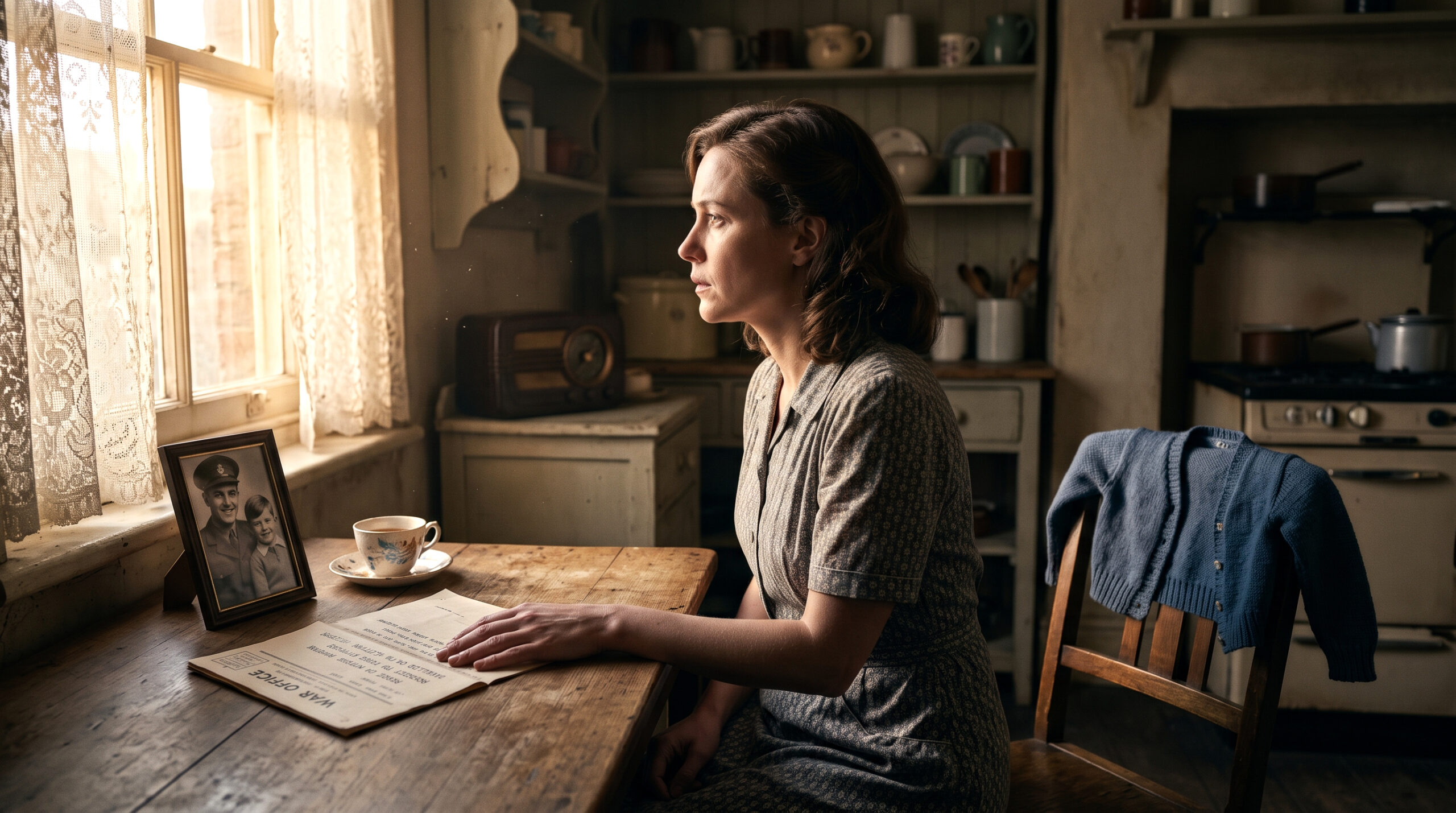
Woman at kitchen table reading a War Office telegram, color photograph Woman at kitchen table reading a War Office telegram, black and white photograph
Home Front — 1943

The war didn't stay
on the battlefield.

Behind every name on a telegram was a kitchen table, a cup of tea gone cold, and a chair that stayed empty. WW2 Untold tells their side too.
Scroll
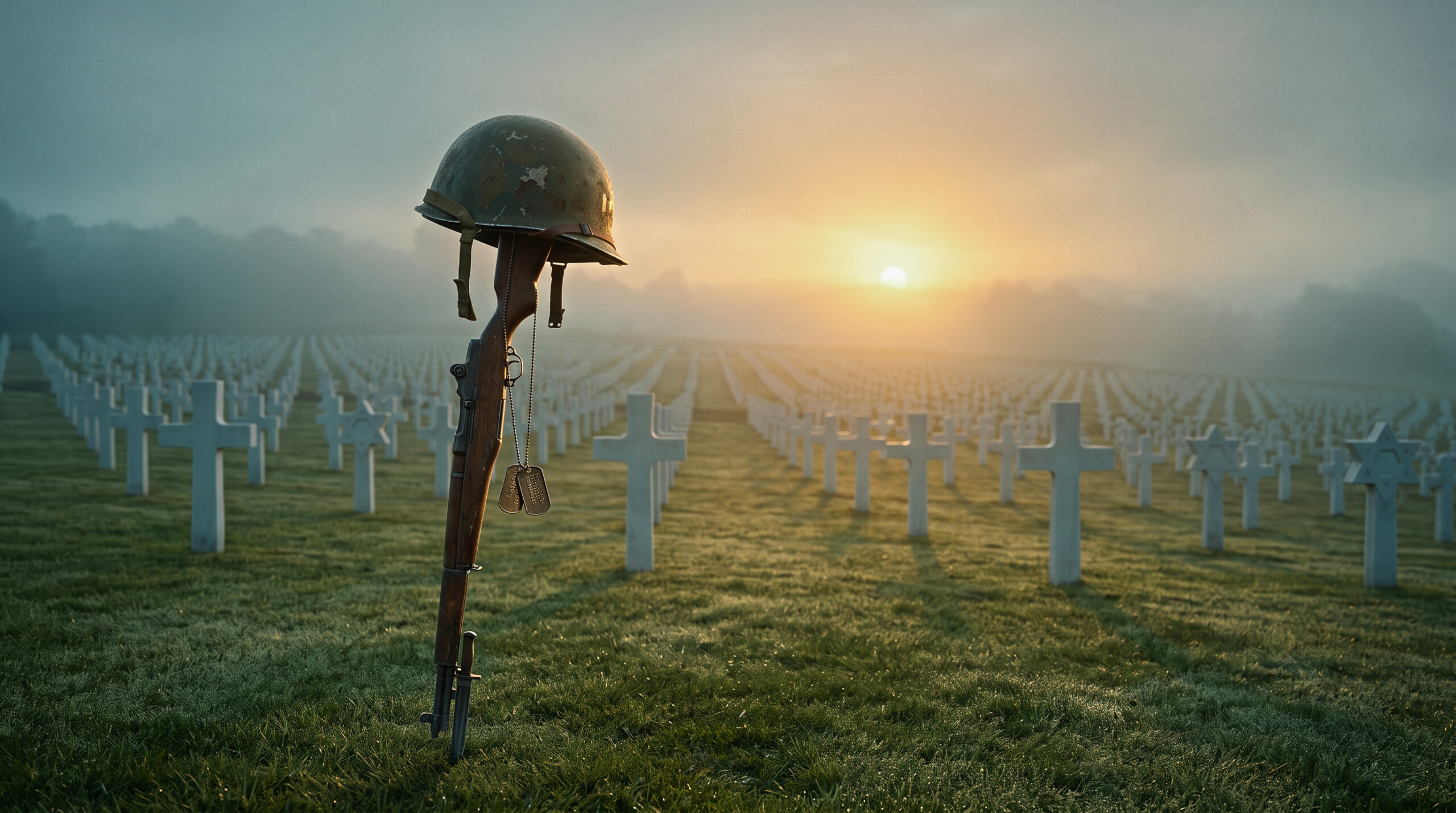
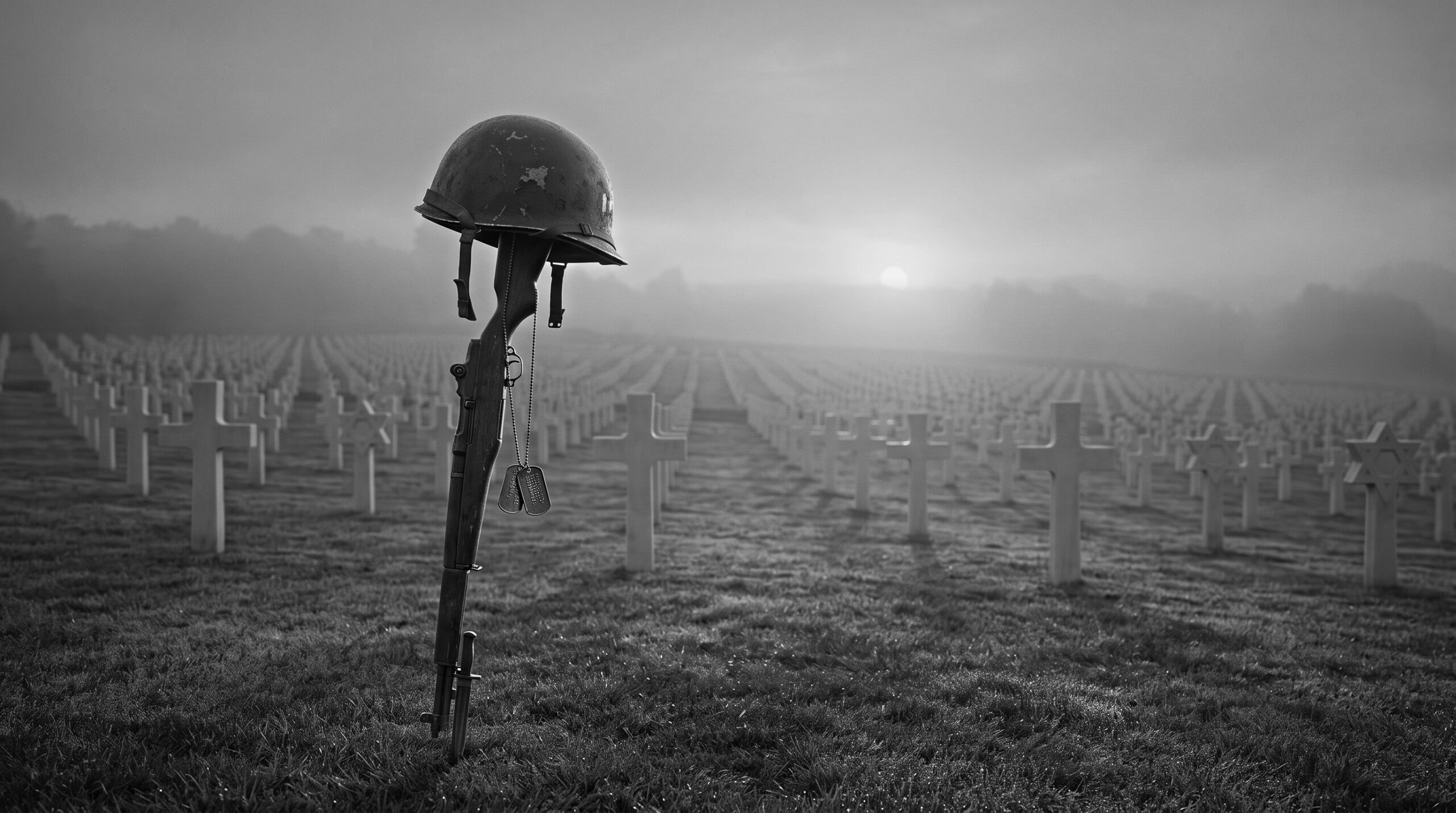
Helmet and rifle memorial marker among rows of graves at dawn, color photograph Helmet and rifle memorial marker among rows of graves at dawn, black and white photograph
In Memoriam

History remembers the war.
We remember the ones who paid for it.

Every story on this site is sourced, verified, and never forgotten. This is where their history lives.

Enter the Archive
You are now entering

The Archive

Scroll
The Archive

Every widely-known World War II story hides three untold ones beside it.

WW2 Untold researches and tells the World War II stories that rarely make it into documentaries or textbooks — the soldiers, resistance fighters, and civilians whose accounts exist only in archives, memoirs, and declassified records most readers never see.

Every article on this site is built from primary sources, official archives, and firsthand testimony, then written the way it actually happened — not simplified, not sensationalized. Each piece of information is backed by a clearly cited source, so every claim can be checked, not just taken on faith. Each story is also produced as a short documentary film, so the history can be read in depth or watched in minutes.

Our coverage spans every major theater of the war — the Eastern Front, the Pacific, the Western Front, North Africa and the Mediterranean — alongside the resistance movements, occupied territories, and homefronts that shaped the war just as much as the battles did.

Primary Sources Cited References Documentary Paired
"History is written by the side that survives to publish it. We go looking for the other half." WW2 Untold — Editorial Standard
Latest Dispatches

Recently declassified.

Hello world!

Welcome to WordPress. This is your first post. Edit or delete it, then start writing!

Read »
Key Dates

World War II, at a glance

The dates people ask about most — tap any to read the full answer.

When Did World War II Start?

Sept 1, 1939
+
World War II began on September 1, 1939, when Nazi Germany invaded Poland. Britain and France declared war on Germany two days later, on September 3, 1939. In the Pacific, Japan's invasion of China in 1937 is often considered part of the same broader conflict, though the war is conventionally dated from the invasion of Poland.

When Did World War II End?

Sept 2, 1945
+
World War II ended on September 2, 1945, when Japan formally surrendered aboard the USS Missouri in Tokyo Bay. This followed Nazi Germany's surrender on May 8, 1945 (V-E Day) and the atomic bombings of Hiroshima and Nagasaki in early August 1945.

When Was the Attack on Pearl Harbor?

Dec 7, 1941
+
Japan attacked the US naval base at Pearl Harbor, Hawaii, on the morning of December 7, 1941. The surprise attack killed over 2,400 Americans and brought the United States into the war the following day, when Congress declared war on Japan.

When Was D-Day?

June 6, 1944
+
D-Day, the Allied invasion of Normandy, took place on June 6, 1944. Over 156,000 troops landed across five beaches in northern France, opening the Western Front that would eventually push into Germany itself.

What Was the Battle of Stalingrad?

Aug 1942 – Feb 1943
+
The Battle of Stalingrad ran from August 1942 to February 1943 and is widely considered the war's turning point on the Eastern Front. The Soviet victory, at a staggering human cost on both sides, marked the beginning of Germany's retreat from Soviet territory.

When Was V-E Day?

May 8, 1945
+
Victory in Europe Day, or V-E Day, was May 8, 1945 — the day Nazi Germany's unconditional surrender took effect, ending the war in Europe. Fighting in the Pacific against Japan continued for another four months.

When Were Hiroshima and Nagasaki Bombed?

Aug 6 & 9, 1945
+
The United States dropped atomic bombs on Hiroshima on August 6, 1945, and on Nagasaki three days later, on August 9, 1945. These remain the only uses of nuclear weapons in warfare, and led directly to Japan's surrender days later.

When Was V-J Day?

Aug 15 / Sept 2, 1945
+
Victory over Japan Day is marked on two dates: August 15, 1945, when Japan announced its surrender, and September 2, 1945, when the formal surrender document was signed aboard the USS Missouri — the date most commonly used to mark the war's official end.